What Is AEO? How to Get Your Brand Mentioned in AI Search Results
A few years ago, ranking on page one of Google was the finish line. Today, your customer might never see page one at all. They ask ChatGPT, Gemini, or Google’s AI Mode a question, and get one direct answer, with maybe three or four brands mentioned by name.
If your business isn’t one of them, it doesn’t matter how well you rank in the old sense. This is where AEO, or Answer Engine Optimization, comes in.
What Is AEO, Exactly?
Answer Engine Optimization (AEO) is the practice of structuring your content so AI tools like ChatGPT, Google AI Overviews, Gemini, and Perplexity can easily find it, understand it, and use it to answer someone’s question, often by naming your brand directly.
Traditional SEO asks: “How do I rank for this keyword?”
AEO asks: “How do I become the answer to this question?”
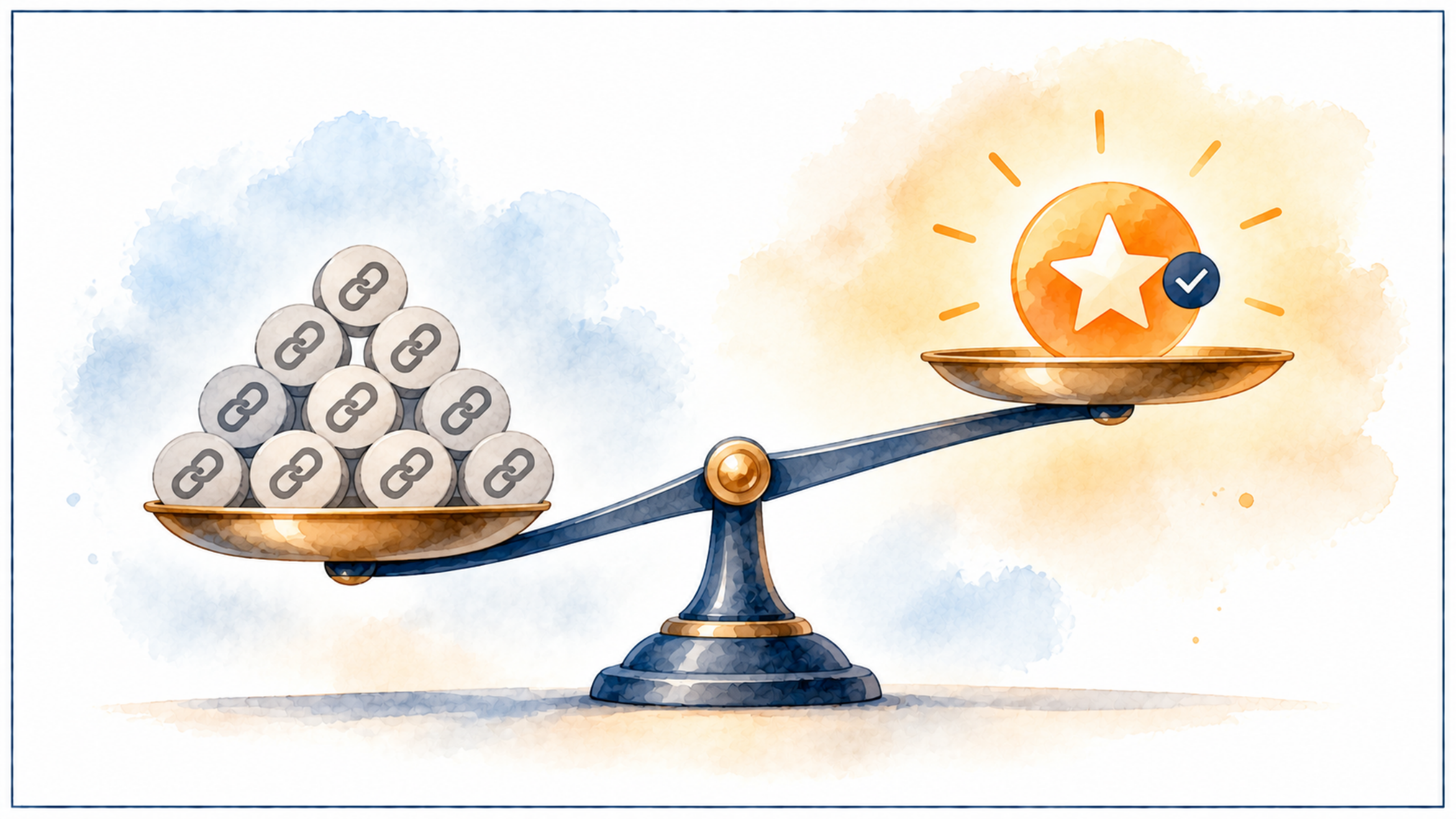
The two aren’t in competition. AEO builds on solid SEO. But it adds a new layer, because AI tools don’t just look for the most relevant page. They look for the clearest, most trustworthy, easiest-to-quote answer.
AEO vs. SEO vs. GEO: What's the Difference?
These terms get thrown around together, so here’s the simple version:
SEO (Search Engine Optimization): Getting your website to rank in traditional search results.
AEO (Answer Engine Optimization): Structuring content so AI tools can extract a direct, correct answer from it.
GEO (Generative Engine Optimization): The broader practice of optimizing your overall brand presence, across your site and beyond it, so generative AI tools trust and cite you.
Think of SEO as the foundation, AEO as how you write on that foundation, and GEO as your reputation across the entire web that AI draws from.
Why AI Mentions Matter More Than Rankings Now
When an AI tool answers a question, it typically names a small handful of businesses, not ten, not twenty. Being one of those names carries real weight:
It builds instant trust. A customer sees your brand recommended by an AI they already trust, before they’ve even visited your website.
It shortens the buying journey. Being mentioned puts you in the consideration set immediately, instead of buried in a scroll of options.
It compounds. AI tools tend to keep citing sources that have proven reliable, so early mentions can lead to more mentions over time.
Missing out means missing the moment your customer is actually deciding who to call.
How AI Tools Choose Who to Mention
AI search tools aren’t guessing. They pull from content that is structured clearly and backed by credibility signals. Here’s roughly what they’re looking for:
A clear, direct answer. Content that states the answer plainly, rather than making the reader dig for it.
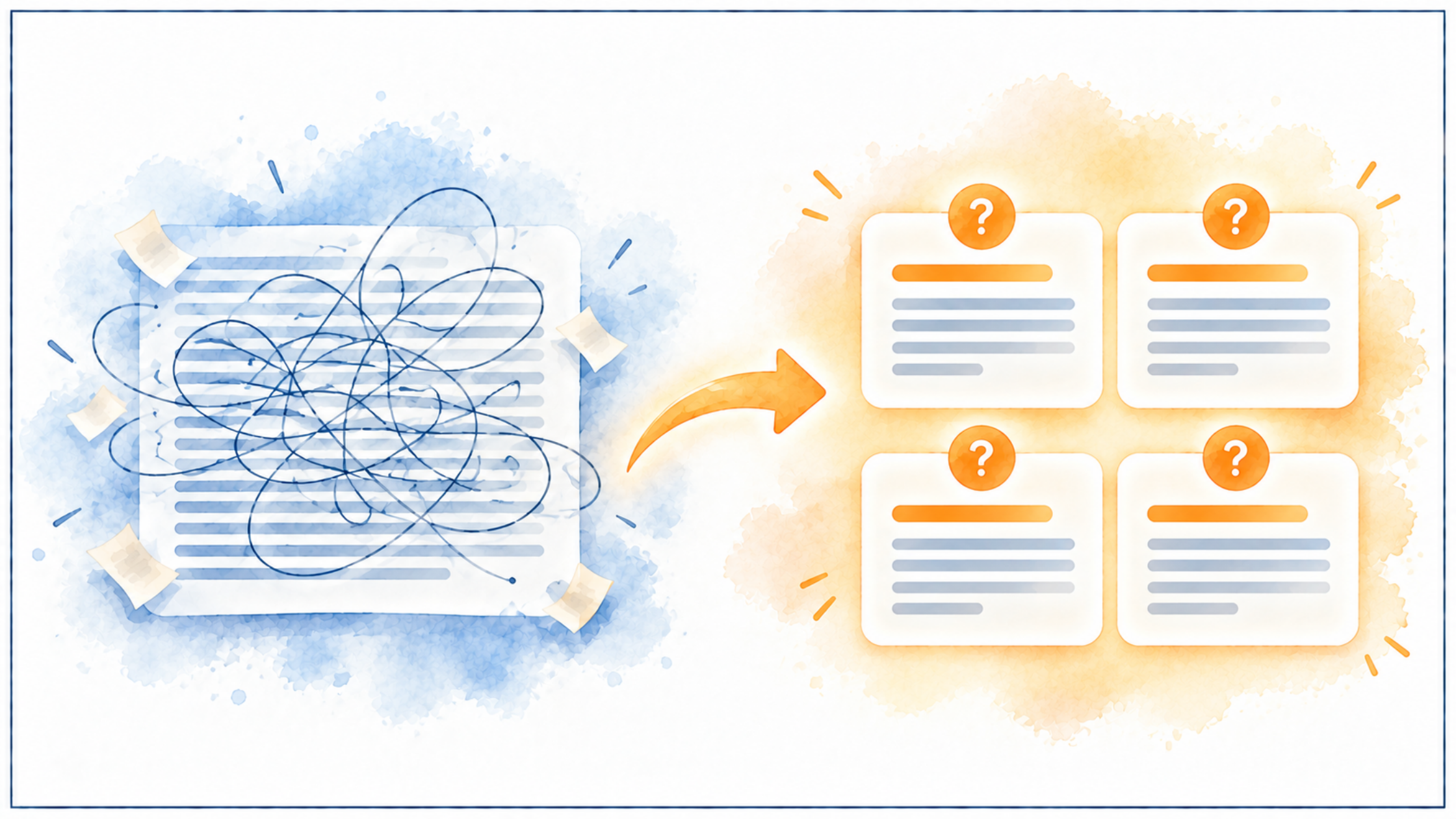
Structure that’s easy to parse. Headings, short paragraphs, lists, and FAQs that map neatly onto a question.
Evidence of expertise. Author names, credentials, original data, and real examples.
Consistency across the web. The same facts about your business, repeated accurately across your site, reviews, directories, and social profiles.
Freshness. Recently updated content, especially for anything time-sensitive.
7 Ways to Optimize for AEO
1. Answer the question in the first two sentences
Don’t build up to your answer. Lead with it. Then use the rest of the section to explain, support, and add nuance. AI tools favor content where the answer sits right at the top, easy to lift.
2. Build a real FAQ section, using real questions
Use the exact phrasing your customers use, not the phrasing you’d use internally. “How much does a website redesign cost?” performs better for AEO than “Our Pricing Philosophy.”
3. Structure content around one question per section
A page trying to answer five different questions in one long paragraph is hard for an AI to extract cleanly. Break topics into clearly headed sections, one question, one answer, one heading.
4. Add schema markup
FAQ schema, Article schema, and Organization schema all help AI tools confirm what your content is about and who published it. This is a technical step, but it’s one of the highest-leverage things you can do for AEO.
Ready to Future-Proof Your SEO?
5. Show your expertise, visibly
Put a real author name and short bio on your articles. Include original data, client results, or a specific example wherever you can. Generic, unauthored content is the easiest thing for an AI to skip over.
6. Get mentioned beyond your own website
AI tools cross-reference multiple sources before deciding who to trust. Reviews, industry directories, guest articles, podcast mentions, and press coverage all help confirm that you are who you say you are.
7. Keep your facts consistent everywhere
Your business name, service descriptions, and key claims should match across your website, Google Business Profile, LinkedIn, and any directory listing. Inconsistency is a trust signal in the wrong direction.
How to Check If You’re Already Being Mentioned
Before building a strategy, find out where you stand:
Ask ChatGPT, Gemini, Perplexity, and Google AI Mode the exact questions your customers would ask before hiring you.
Note which brands get named, and whether you’re one of them.
Check which sources the AI cites. If competitors’ blog posts or directory listings keep coming up, that tells you where to focus next.
Repeat this test monthly. AI answers shift as new content gets published and re-crawled, so this is an ongoing check, not a one-time audit.
The Bottom Line
AEO isn’t a replacement for SEO. It’s what SEO looks like when the audience reading your content is sometimes a machine deciding whether to recommend you. The brands that write clearly, answer directly, and build real credibility, both on their site and across the web, are the ones AI tools will keep choosing to name.
Want to Be the Answer, Not Just a Result?
At The Marketing Mingle, we help brands structure their content, technical SEO, and online presence to earn real visibility in AI search, not just traditional rankings. If you want to know where your brand stands right now, we’ll run the test with you.
Get in touch with The Marketing Mingle and let’s make sure AI is recommending you.